
Nigeria’s Youth Hold Key to National Transformation — CLTC DG, Rinsola Abiola
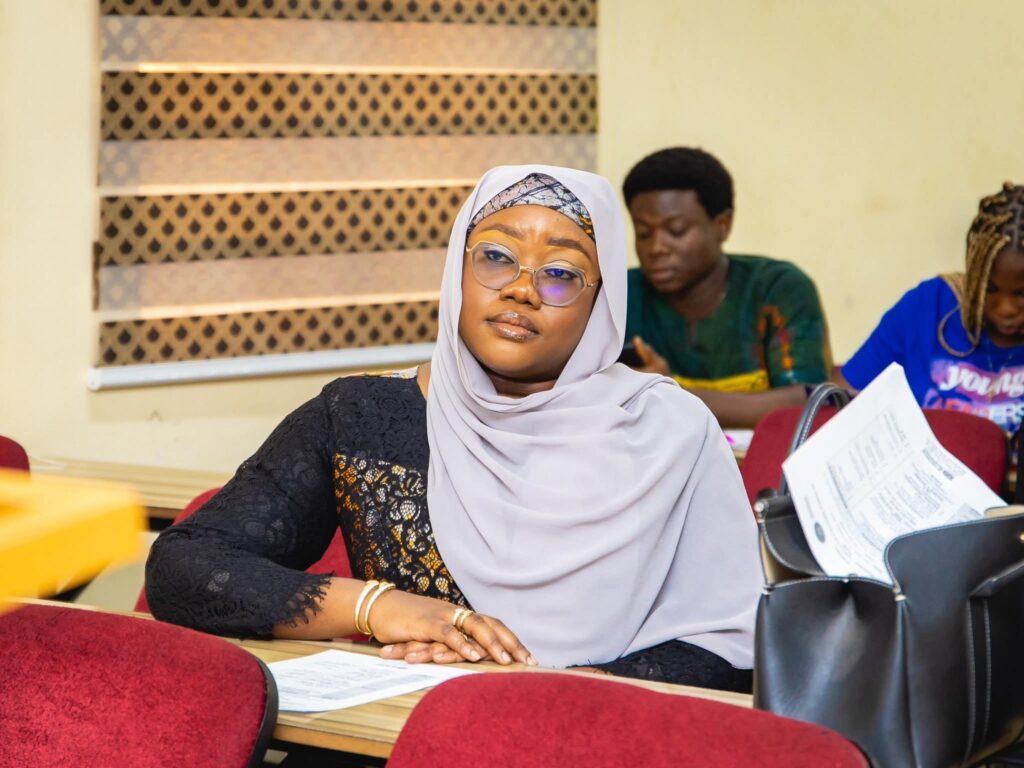
The Director-General of the Centre for Leadership and Training in Civic Responsibility (CLTC),Ms. Rinsola Abiola, has called for a deliberate redefinition of youth participation in Nigeria’s nation-building efforts, insisting that the country’s young population remains its greatest asset.
Abiola made the remarks on Tuesday in Abuja while delivering the keynote address at the Regional Workshop on Active Civic Citizenship Training for Youth, organised by the Nigeria Civil Society Situation Room and Proactive Gender Initiatives (PGI).
Setting the tone for the conversation, she dismissed long-standing fears that Nigeria’s youth bulge is a demographic risk, arguing instead that it represents an extraordinary opportunity. “With over 60 per cent of our population made up of youth, we are not facing a demographic failure,” she declared. “Nigeria is holding a national asset with the potential to transform the country.”
She commended the organisers for sustaining platforms that encourage civic engagement among young people, noting that the collaboration between Situation Room and PGI “reflects a firm commitment to empowering citizens to take ownership of the nation’s future.”
Abiola stressed that Nigeria must urgently invest in its growing youth population, describing human capital as the nation’s most valuable resource. According to her, “Any nation that ignores its young people signs up for stagnation. The urgency of investing in our youth cannot be overstated.”
Reaffirming CLTC’s mission, the DG emphasised the importance of civic responsibility and active citizenship. She warned that widespread political apathy poses a significant threat to Nigeria’s democratic growth. “The most effective antidote to political apathy is active participation,” she said, urging young people to move beyond passive observation and engage constructively with public affairs.
As the workshop drew to a close, Abiola delivered a charge that resonated deeply with participants. “The future only responds to those willing to show up for it,” she said, encouraging youths to step into leadership, public service, and community activism.
Participants described the session as both empowering and timely, noting that it reaffirmed the need for young Nigerians to take more decisive roles in shaping government policies and community development.
While optimism filled the room, the lingering question remains whether the commitments made—by institutions and the youths themselves—will translate into sustained action. For a nation at a pivotal moment, how Nigeria leverages its youth energy may well determine the trajectory of its future.