


CLTC, Duke of Edinburgh Award Programme Explore New Partnership to Strengthen Youth Development
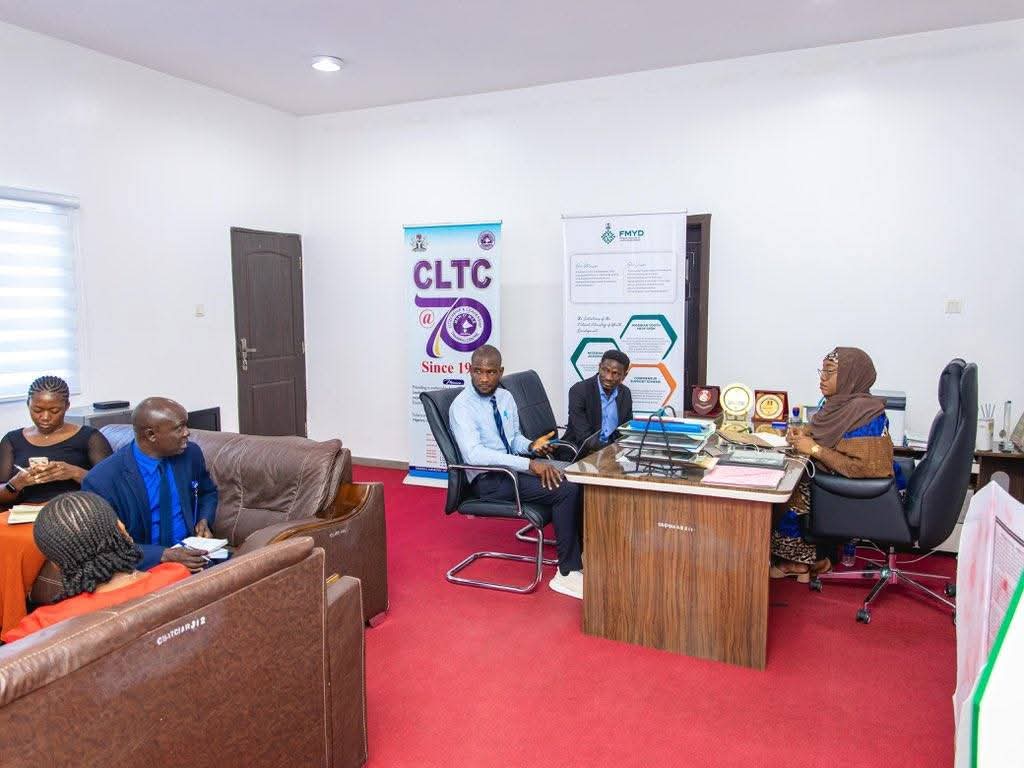
The Citizenship and Leadership Training Centre (CLTC) is considering a major collaboration that could reshape youth development initiatives across Nigeria, following a strategic meeting with representatives of the Duke of Edinburgh (DofE) Award Programme on Tuesday.
In a statement personally issued by the Director-General of CLTC, Hon. Rinsola Abiola, she confirmed that she received a delegation from the globally recognised youth development organisation to discuss areas of synergy. According to her, the visit offered “an opportunity to explore possible avenues for collaboration and discuss how DofE’s framework for youth development could complement the work of the Citizenship and Leadership Training Centre (CLTC).”
The Duke of Edinburgh Award, founded in 1956 by Prince Philip, has evolved into one of the world’s most trusted platforms for youth empowerment. Targeted at young people aged 14 to 24, the programme features three progressive levels—Bronze, Silver and Gold—and blends volunteering, skill-building, physical activity and challenging expeditions.
Abiola highlighted the programme’s global significance, noting that it is “designed to help young people build confidence, resilience, leadership skills and community spirit through practical and often life-changing experiences.” Over the years, the DofE model has been adopted in more than 130 countries, with active operations in 20 states across Nigeria.
The meeting, observers believe, signals a renewed commitment by the CLTC to deepen its capacity-building efforts for young Nigerians at a time when leadership training and civic development are receiving increased national attention. Abiola expressed optimism about what the partnership could yield, saying: “I appreciate today’s visit and look forward to exploring the opportunities that lie ahead.”
If formalised, the collaboration could open new pathways for Nigerian youths to access internationally benchmarked leadership opportunities, while strengthening the CLTC’s mandate of nurturing responsible, capable and community-oriented citizens.
As Nigeria continues to grapple with issues of youth unemployment, skill gaps and leadership deficits, the potential partnership presents an encouraging step—one that may inspire broader conversations on expanding investment in the country’s young population.