

“Turn Rejection Into Redirection” — Rinsola Abiola Urges Women to Break Leadership Barriers
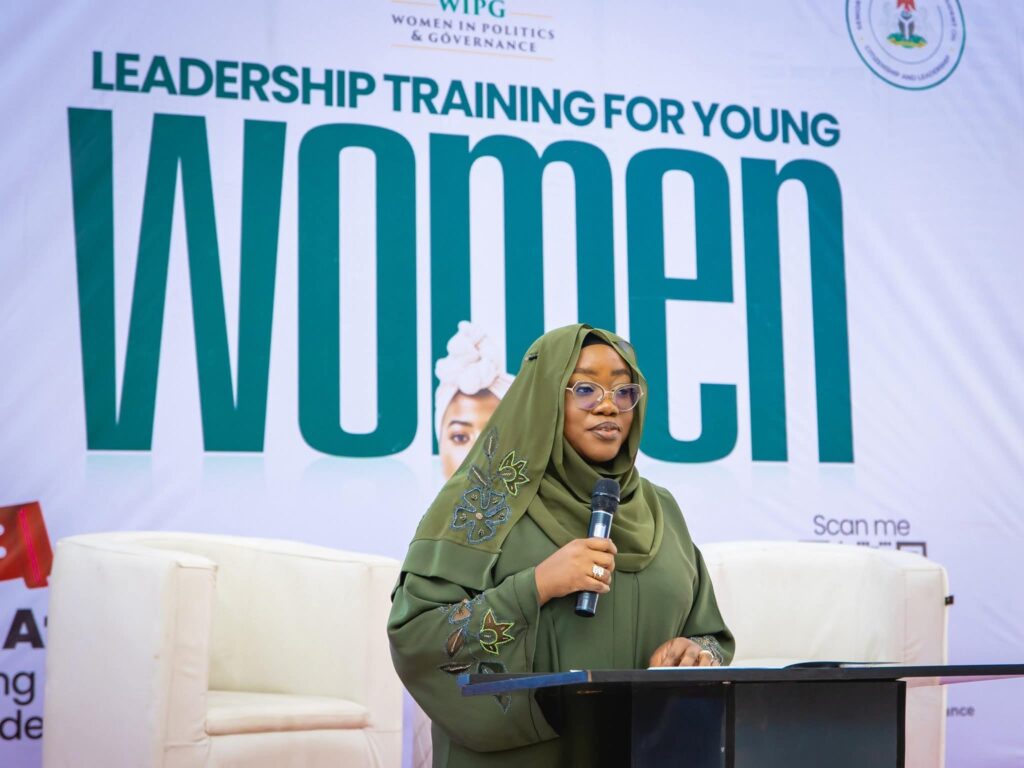
The Director-General of the Citizenship and Leadership Training Centre (CLTC), Ms. Rinsola Abiola, has urged young women across the country to embrace leadership with boldness, clarity and a strong sense of duty, stressing that Nigeria is in a defining moment where the voices of young women are needed more than ever.
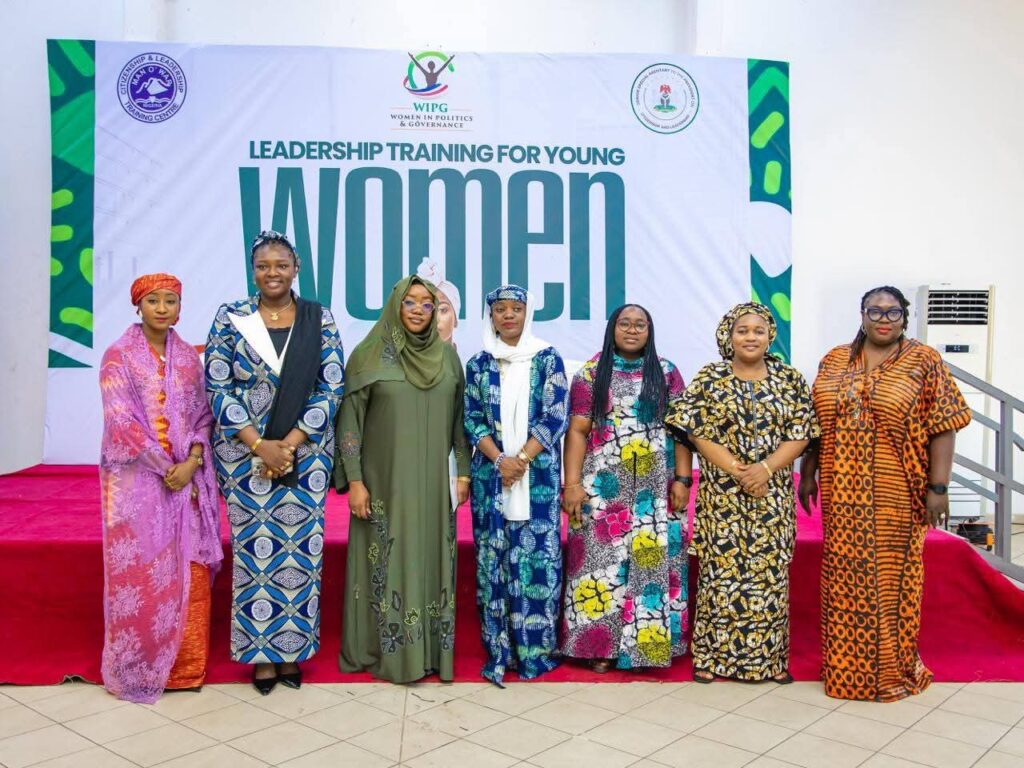
Abiola made this known on Thursday while addressing participants at the Leadership Training for Young Women, organised by Women in Politics and Governance (WIPG), in collaboration with the Citizenship and Leadership Training Centre (CLTC) and the Office of the Senior Special Assistant to the President on Citizenship and Leadership (OSSAP-CL). The programme, themed “Her Seat at the Table: Strengthening Young Women’s Voices in Leadership,” brought together emerging female leaders from across the country.
Speaking to the participants, Abiola emphasised that leadership is built on competence, confidence and character — principles she described as “the true pillars of leadership.” According to her, “self-development is non-negotiable; your voice must command respect not because of your gender, but because of your capacity.”
She also addressed a common psychological barrier faced by young women — impostor syndrome — noting that it remains a burden carried disproportionately by women. Abiola encouraged them to act regardless of fear or doubt, urging resilience in the face of setbacks. “Resilience is the ability to turn rejection into redirection,” she said. “Every setback is a signal pointing you toward something greater.”
Beyond personal growth, the CLTC boss called for strategic engagement, civic participation, and increased political awareness among young women. She underscored the importance of using digital platforms as tools for influence and visibility, stressing that leadership flourishes when women work together.
“Leadership grows in community, not isolation,” Abiola noted. She highlighted sisterhood, coalition building and mentorship as essential tools for collective progress and rising together.
Abiola concluded her remarks with a charge to the participants to own their place and purpose in national leadership. She described today’s young women as the most educated, connected and entrepreneurial generation in Nigeria’s history — and therefore indispensable to national transformation.
She challenged them to step forward with courage and clarity, insisting that positions of influence are not merely privileges but responsibilities. “The seat at the table is not a privilege; it is a duty. And the time to rise is now.”
Her message, delivered with urgency and conviction, left participants reflecting on their roles in shaping Nigeria’s future — a future she believes must include the powerful voices and leadership of young women.