
ICPC Confirms El-Rufai in Custody After DSS Rearrest Following EFCC Bail
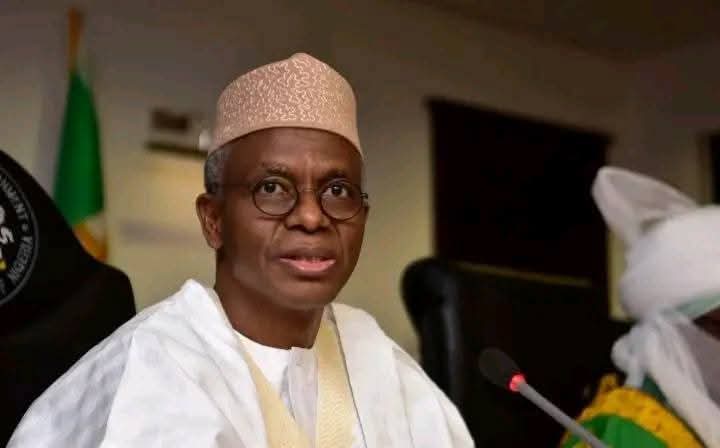
The Independent Corrupt Practices and Other Related Offences Commission (ICPC) has confirmed that former Kaduna State Governor, Nasir El-Rufai, is currently in its custody, following a dramatic sequence of events involving multiple federal security agencies.
According to information shared via ICPC’s official social media platforms, the former governor was taken into custody shortly after operatives of the Department of State Services (DSS) rearrested him on Wednesday night. The development reportedly occurred moments after El-Rufai regained freedom from the Economic and Financial Crimes Commission (EFCC), where he had been held for several hours.
Sources disclosed that El-Rufai was granted bail by the EFCC at about 8 p.m., raising expectations among his supporters that he would return home. However, as he exited the EFCC headquarters, DSS operatives allegedly moved swiftly to detain him in what observers described as a calculated and coordinated operation.
Security sources linked the DSS action to allegations that El-Rufai unlawfully intercepted telephone communications belonging to Nigeria’s National Security Adviser, Nuhu Ribadu. However, close associates of the former governor have dismissed the allegation as politically motivated, insisting that no formal charges have been publicly filed against him.
The incident has sparked political reactions across various quarters, with opposition figures expressing concern over what they described as the optics of continuous detention by multiple federal agencies. Some political allies argue that the sequence of arrest, bail, and rearrest raises questions about due process and suggests intensified scrutiny of influential political figures.
As of press time, neither the DSS nor the EFCC had issued a detailed official statement explaining the reasons for the rearrest. The ICPC confirmation, however, has further heightened public attention and speculation surrounding the case.
El-Rufai, known for his outspoken views and influential role in national politics, has remained active in political discourse since completing his tenure as Kaduna State governor. Analysts say the latest development could have wider political implications, especially amid ongoing debates about governance, accountability, and internal political dynamics.